


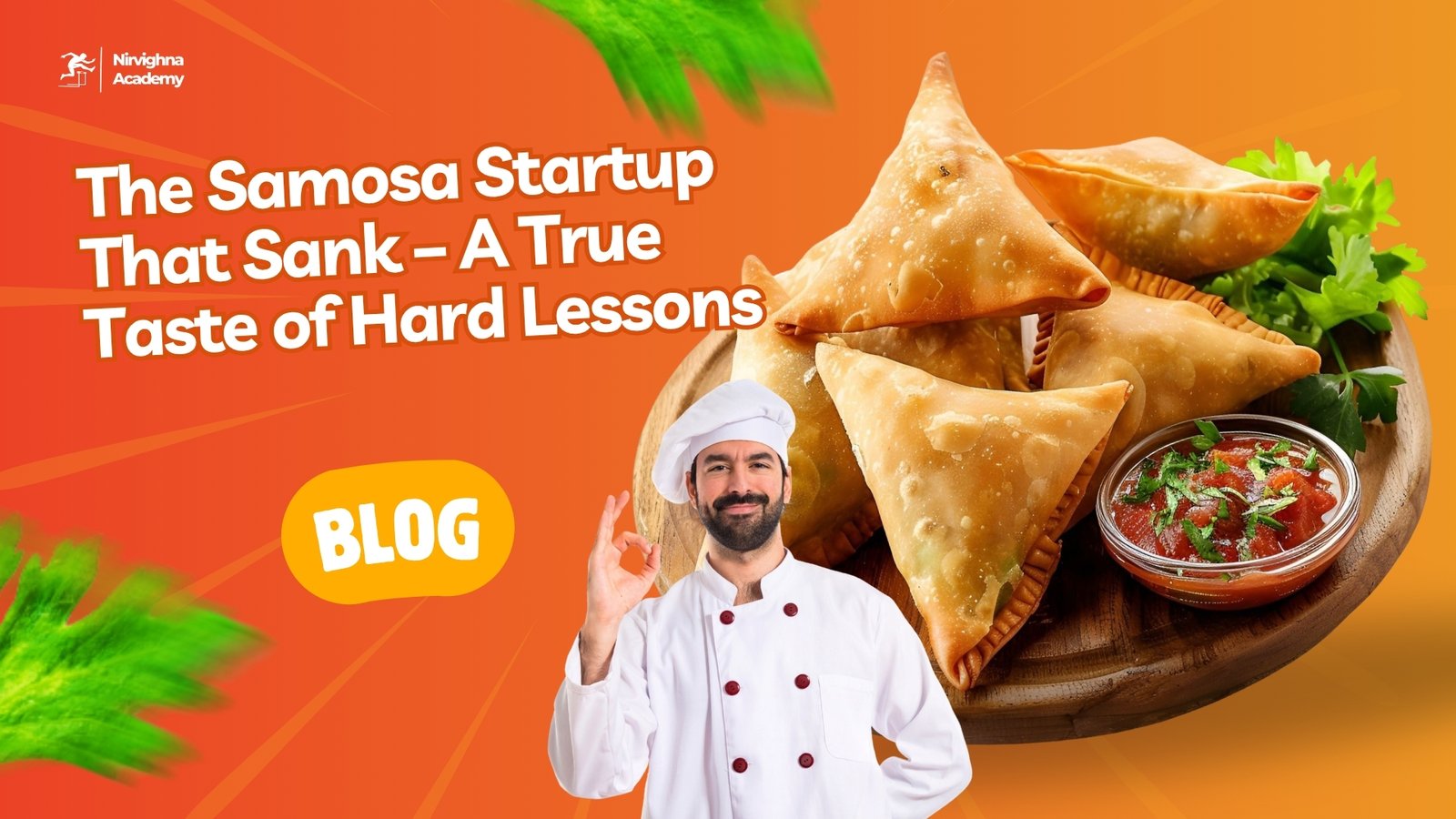
– A True Taste of Hard Lessons
(And What Every New Entrepreneur Must Learn Before It’s Too Late)
The Spark of a Dream
Nashik, Maharashtra. It was Ganesh Chaturthi morning, and the Shelake family was gathered in their small but warm apartment in Tidke Colony. The aroma of modaks filled the house, but Amit Shelake was more excited about something else.
“Aai, Baba… I’ve decided. I’m starting my own business!” he declared, eyes shining with ambition.
His father, a retired bank officer, raised his eyebrows. “What kind of business, beta?”
Amit grinned and pulled out a sketch of a food kiosk — complete with colorful branding, menu cards, and the name: Samosa Junction.
“Samosas?” his mother said. “But everyone sells samosas, Amit.”
“Not like mine,” he beamed. “Twelve varieties. Cheese, chocolate, Manchurian, even Nutella. Modern, hygienic, fun. Think of McDonald’s, but for samosas!”
His father sipped his tea slowly. “You’ve thought this through?”
“I’ve been planning this for months,” Amit said, eyes brimming with excitement. “I just need some money to get started. I’ll return every rupee.”
There was a pause. Then his father nodded and said the words Amit would never forget:
“We’ll support you. But run this with your head, not just your heart.”
Chapter 1: The Grand Opening
Three months later, Samosa Junction opened with much fanfare near a college campus in Nashik. A DJ played peppy Bollywood music. There were balloons, an Instagram contest, and a ribbon-cutting by a local college influencer with 50,000 followers.
Students poured in, excited by the funky menu: Pizza Samosa, Peri-Peri Samosa, Chocolate Lava Samosa.
Sales were high in the first few weeks. Amit was on cloud nine. His face was glowing in selfies. His brand’s hashtag started trending locally. He hired two more helpers, printed loyalty cards, and even booked a spot on a local FM radio show.
He believed he was building a food empire.
Chapter 2: The Cracks Appear
But within two months, something changed.
Sales plateaued. The novelty wore off. The influencer had moved on. Footfall declined during exam weeks. One staffer suddenly quit. Suppliers delayed deliveries.
Worse, the rent reminder came along with salaries and a GST notice. Amit checked his account and was shocked — he had only ₹6,000 left.
He went into denial. “It’s just a slow month. It’ll pick up after Diwali,” he told himself.
But his father noticed the tension. One night, he quietly said,
“Beta, sit with me. Let’s go through your accounts.”
Amit hesitated. “It’s okay, Baba. I’ve got it under control.”
His father didn’t push. But a few days later, the gas supplier refused to deliver due to unpaid dues. The rent cheque bounced. And Amit, the cheerful samosa visionary, had tears in his eyes for the first time since starting the business.
Chapter 3: The Wake-Up Call
Desperate for guidance, Amit visited Mrs. Renu Bhosale, a 50-something entrepreneur who ran a chain of idli-dosa carts across Nashik. She was known for her sharp business mind and no-nonsense attitude.
She welcomed him with a plate of hot upma and asked,
“Tell me everything. No sugarcoating.”
Amit poured out his story — from the branding blitz to the loyalty cards and exotic samosas.
She listened silently. Then she asked just three questions:
- “Do you know your breakeven point?”
“Uh… I think I cover costs when I sell 300 samosas a day?”
She shook her head. “You think? You should know. Break-even is not a guess. It’s your survival number.”
- “Are you pricing with profit in mind?”
“I sell each for ₹15–20. My cheese samosa costs ₹18 to make, but students won’t pay more.”
“So you’re selling at a loss to please them? Would they pay your EMI too?”
- “Are you tracking your monthly expenses?”
Amit looked down. “Not really. I know roughly… rent is ₹20,000, salaries ₹45,000, packaging ₹15,000, marketing ₹10,000. Maybe some other things…”
She took out her calculator. “You’re spending ₹1.5 lakh a month. You’re making ₹90,000. You’re losing ₹60,000 and hoping Instagram likes will pay your bills. Wake up, Amit.”
Chapter 4: The Fall
That night, Amit couldn’t sleep. He pulled out every bill, every receipt, every bank SMS.
He saw the truth:
• He’d overspent on packaging — fancy boxes that cost ₹6 each.
• His online ads had no tracking — he didn’t know if they converted to sales.
• He gave free samosas to influencers, friends, and college groups without strategy.
• The expensive items were selling most, but they had the lowest margins.
• He had no savings, no backup fund, and hadn’t paid himself a rupee in three months.
For the next few weeks, Amit fought like a warrior.
He cut the menu down to six items, focused on high-margin combos, adjusted prices slightly, and introduced meal deals instead of discounting.
He stopped unnecessary expenses, optimized staff hours, and started using a simple Excel sheet to track cash flow daily.
Things started improving. Slowly. But the damage had been done.
He had no more capital. His father had already broken an FD to help once. And Amit knew — he couldn’t ask again.
One morning, he quietly shut the shutters of Samosa Junction. There were no tears, no public announcements. Just silence.
Epilogue: From Failure to Foundation
Six months later, Amit was working as a food operations manager for a QSR chain in Pune. He was learning, saving, and planning his comeback. He hadn’t given up — just stepped back to leap again.
He often told his colleagues:
“The first business I opened taught me more than any MBA. It taught me to survive before I dream big.”
Marathi Version
समोसा स्टार्टअप जे बुडाले
– कठीण अनुभवांचा खरा स्वाद
(आणि प्रत्येक नवीन उद्योजकाने वेळेपूर्वी काय शिकले पाहिजे)
स्वप्नाची ठिणगी
नाशिक, महाराष्ट्र. गणेश चतुर्थीची सकाळ होती, आणि शेलके कुटुंब त्यांच्या टिढके कॉलनीतील छोट्या पण उबदार अपार्टमेंटमध्ये एकत्र जमले होते. मोदकांचा सुगंध घरात पसरला होता, पण अमित शेलके याला आणखी कशाने उत्साहित होता.
“आई, बाबा… मी ठरवलंय. मी स्वतःचा व्यवसाय सुरू करतोय!” त्याने महत्वाकांक्षा डोळ्यांत चमकत सांगितले.
त्याचे वडील, एक निवृत्त बँक अधिकारी, भुवया उंचावत म्हणाले, “कसला व्यवसाय, बेटा?”
अमितने हसत एका फूड किऑस्कचा स्केच काढला — रंगीत ब्रँडिंग, मेनू कार्ड्स आणि नाव: समोसा जंक्शन.
“समोसे?” त्याची आई म्हणाली. “पण अमित, समोसे तर सगळेच विकतात.”
“माझ्यासारखे नाही,” तो उत्साहाने म्हणाला. “बारा प्रकार. चीज, चॉकलेट, मंचुरियन, अगदी नुटेला. आधुनिक, स्वच्छ, मजेदार. मॅकडॉनल्ड्ससारखं, पण समोस्यांसाठी!”
त्याचे वडील हळूच चहाचा घोट घेत म्हणाले, “तू याचा नीट विचार केलाय का?”
“मी गेल्या काही महिन्यांपासून याची योजना करतोय,” अमित म्हणाला, डोळे उत्साहाने चमकत. “मला फक्त सुरूवातीसाठी थोड्या पैशांची गरज आहे. मी प्रत्येक रुपया परत करेन.”
काही क्षण शांतता होती. मग त्याचे वडील मान डोलावत म्हणाले, जे शब्द अमित कधीच विसरणार नव्हता:
“आम्ही तुला पाठिंबा देऊ. पण हा व्यवसाय मनाने नव्हे, डोक्याने चालव.”
अध्याय 1: भव्य उद्घाटन
तीन महिन्यांनंतर, समोसा जंक्शन नाशिकमधील कॉलेज कॅम्पसजवळ मोठ्या थाटामाटात उघडला. एका डीजेने उत्साही बॉलिवूड संगीत वाजवले. फुगे, इन्स्टाग्राम स्पर्धा आणि 50,000 फॉलोअर्स असलेल्या स्थानिक कॉलेज इन्फ्लुएन्सरने रिबन कटिंग केले.
विद्यार्थ्यांनी गर्दी केली, मजेदार मेनूमुळे उत्साहित: पिझ्झा समोसा, पेरी-पेरी समोसा, चॉकलेट लावा समोसा.
पहिल्या काही आठवड्यांत विक्री जोरदार होती. अमित सातव्या आकाशात होता. सेल्फीमध्ये त्याचा चेहरा चमकत होता. त्याच्या ब्रँडचा हॅशटॅग स्थानिक पातळीवर ट्रेंड करू लागला. त्याने दोन आणखी सहाय्यक नेमले, लॉयल्टी कार्ड्स छापली, आणि स्थानिक FM रेडिओ शोवर जागा बुक केली.
त्याला वाटले की तो एक फूड साम्राज्य उभारतोय.
अध्याय 2: तडे दिसू लागले
पण दोन महिन्यांतच काहीतरी बदलले.
विक्री स्थिर झाली. नवीनपणाचा प्रभाव कमी झाला. इन्फ्लुएन्सर पुढे गेला. परीक्षा आठवड्यांत ग्राहकांची वर्दी कमी झाली. एक कर्मचारी अचानक नोकरी सोडून गेला. पुरवठादारांनी डिलिव्हरीला उशीर केला.
त्याहून वाईट, भाड्याची आठवण, पगार आणि जीएसटी नोटीस आली. अमितने आपले खाते तपासले आणि तो थक्क झाला — त्याच्याकडे फक्त ₹6,000 उरले होते.
तो नकारात गेला. “हा फक्त एक मंद महिना आहे. दिवाळीनंतर गती येईल,” तो स्वतःला सांगत राहिला.
पण त्याच्या वडिलांना त्याचा तणाव जाणवला. एका रात्री, ते हळूच म्हणाले,
“बेटा, माझ्यासोबत बस. आपण तुझा हिशेब पाहू.”
अमित थांबला. “ठीक आहे, बाबा. माझ्याकडे सर्व नियंत्रणात आहे.”
त्याच्या वडिलांनी जास्त आग्रह केला नाही. पण काही दिवसांनंतर, गॅस पुरवठादाराने थकीत देयांमुळे डिलिव्हरी नाकारली. भाड्याचा चेक बाउन्स झाला. आणि अमित, हा उत्साही समोसा स्वप्नवादी, व्यवसाय सुरू केल्यापासून प्रथमच डोळ्यांत अश्रूंनी उभा होता.
अध्याय 3: जागरण
मार्गदर्शनाच्या आशेने, अमितने रेणू भोसले यांना भेट दिली, एक 50 वर्षांवरील उद्योजिका जी नाशिकमध्ये इडली-डोसा गाड्यांची साखळी चालवत होती. त्या त्यांच्या तीक्ष्ण व्यवसाय बुद्धिमत्तेसाठी आणि स्पष्टवक्तेपणासाठी प्रसिद्ध होत्या.
त्यांनी गरम उपम्याच्या ताटासह त्यांचे स्वागत केले आणि विचारले,
“सर्व काही सांग. साखरेची पुट न देता.”
अमितने आपली कहाणी सांगितली — ब्रँडिंगच्या धामधुमीपासून ते लॉयल्टी कार्ड्स आणि विदेशी समोस्यांपर्यंत.
त्या शांतपणे ऐकल्या. मग त्यांनी फक्त तीन प्रश्न विचारले:
- “तुला तुझा ब्रेक-इव्हन पॉइंट माहित आहे का?”
“अं… मला वाटतं मी 300 समोसे विकले की खर्च भागतो?”
त्यांनी डोके हलवले. “तुला वाटतं? तुला माहित असायला हवे. ब्रेक-इव्हन हा अंदाज नाही. हा तुझा टिकून राहण्याचा आकडा आहे.”
- “तू नफा विचारात घेऊन किंमती ठरवतोस का?”
“मी प्रत्येकी ₹15-20 ला विकतो. माझा चीज समोसा बनवायला ₹18 लागतात, पण विद्यार्थी जास्त देणार नाहीत.”
“म्हणजे तू त्यांना खूश ठेवण्यासाठी तोट्यात विकतोस? ते तुझा EMI पण भरतील का?”
- “तू तुझ्या मासिक खर्चाचा मागोवा ठेवतोस का?”
अमितने खाली पाहिले. “खरंच नाही. मला अंदाजे माहित आहे… भाडे ₹20,000, पगार ₹45,000, पॅकेजिंग ₹15,000, मार्केटिंग ₹10,000. कदाचित आणखी काही…”
त्यांनी कॅल्क्युलेटर काढले. “तू महिन्याला ₹1.5 लाख खर्च करतोस. ₹90,000 कमावतोस. तू ₹60,000 गमावतोस आणि इन्स्टाग्राम लाईक्स तुझी बिले भरतील अशी आशा करतोस. जागा, अमित.”
अध्याय 4: पतन
त्या रात्री, अमितला झोप लागली नाही. त्याने प्रत्येक बिल, प्रत्येक पावती, प्रत्येक बँक SMS काढला.
त्याला सत्य दिसले:
• त्याने पॅकेजिंगवर जास्त खर्च केला — प्रत्येकी ₹6 च्या आकर्षक बॉक्सवर.
• त्याच्या ऑनलाइन जाहिरातींचा कोणताही मागोवा नव्हता — त्या विक्रीत रूपांतरित होतात की नाही हे त्याला माहित नव्हते.
• त्याने इन्फ्लुएन्सर्स, मित्र आणि कॉलेज गटांना विनामूल्य समोसे दिले, कोणत्याही रणनीतीशिवाय.
• महाग वस्तू सर्वात जास्त विकल्या जात होत्या, पण त्यांचा नफा सर्वात कमी होता.
• त्याच्याकडे बचत नव्हती, बॅकअप फंड नव्हता, आणि तीन महिन्यांत त्याने स्वतःला एक रुपया पगार दिला नव्हता.
पुढील काही आठवड्यांत, अमितने योद्ध्यासारखा लढा दिला.
त्याने मेनू सहा आयटम्सपर्यंत कमी केला, उच्च-मार्जिन कॉम्बोजवर लक्ष केंद्रित केले, किंमती थोड्या समायोजित केल्या आणि सवलतीऐवजी मील डील्स सुरू केल्या.
त्याने अनावश्यक खर्च थांबवले, कर्मचार्यांचे तास ऑप्टिमाइझ केले, आणि रोजच्या कॅश फ्लोचा मागोवा ठेवण्यासाठी एक साधे एक्सेल शीट वापरायला सुरुवात केली.
गोष्टी हळूहळू सुधारू लागल्या. पण नुकसान झाले होते.
त्याच्याकडे यापुढे भांडवल नव्हते. त्याच्या वडिलांनी आधीच एक FD तोडला होता. आणि अमितला माहित होते — तो पुन्हा मागू शकत नव्हता.
एका सकाळी, त्याने समोसा जंक्शन चे शटर्स शांतपणे बंद केले. अश्रू नव्हते, कोणतीही सार्वजनिक घोषणा नव्हती. फक्त शांतता.
उपसंहार: अपयशापासून ते पायाभूत
सहा महिन्यांनंतर, अमित पुण्यात एका QSR चेनसाठी फूड ऑपरेशन्स मॅनेजर म्हणून काम करत होता. तो शिकत होता, बचत करत होता, आणि पुनरागमनाची योजना करत होता. त्याने हार मानली नव्हती — फक्त पुन्हा उडी मारण्यासाठी मागे सरकला होता.
तो आपल्या सहकाऱ्यांना नेहमी सांगायचा:
“मी उघडलेला पहिला व्यवसाय मला कोणत्याही MBA पेक्षा जास्त शिकवला. त्याने मला मोठी स्वप्ने पाहण्यापूर्वी टिकून राहायला शिकवले.”
in a very simple, realistic way story will surely guide the new enterpreunuer
Good article